

Recognizing the signs of gambling addiction A guide to awareness and recovery
Understanding Gambling Addiction
Gambling addiction, also known as compulsive gambling, is a behavioral disorder characterized by an uncontrollable urge to gamble despite the negative consequences. It can affect anyone, regardless of age, gender, or background. Understanding this addiction is crucial for awareness and recovery, as it often leads to financial, emotional, and social hardships. Recognizing the signs early can help individuals seek assistance before the situation worsens. For those interested, exploring a non gamstop casino can provide an option for players looking for alternatives.
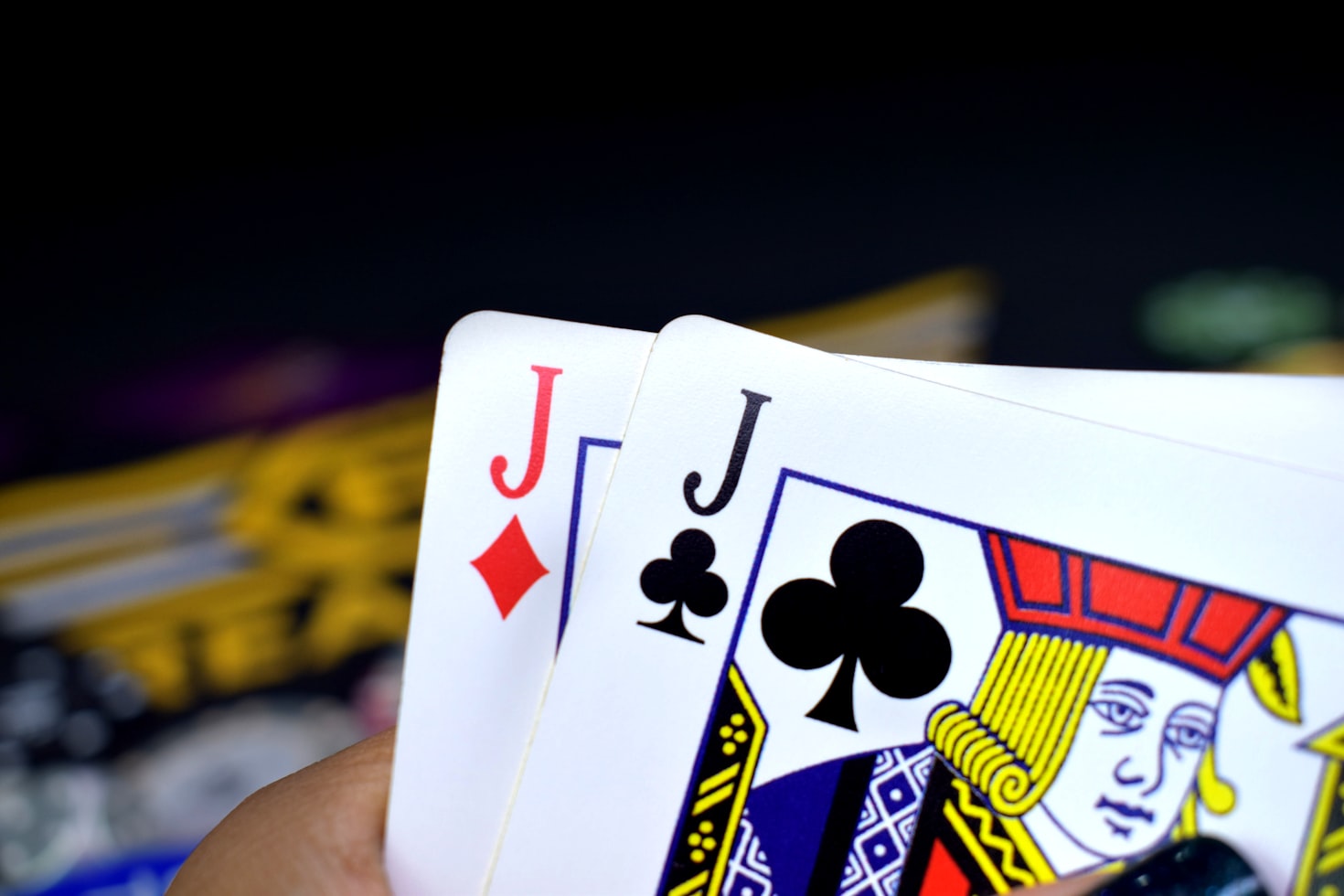
The thrill and excitement of gambling can quickly transform into a compulsive behavior that takes over a person’s life. Those struggling with this addiction may experience a lack of control, leading to increased risk-taking and financial ruin. It’s essential to be mindful of how gambling habits can evolve from casual enjoyment to a harmful addiction.
Common Signs of Gambling Addiction
Identifying the signs of gambling addiction can be challenging, but certain behaviors can serve as red flags. An individual may frequently lie about their gambling habits, spend excessive time and money on gambling, or neglect responsibilities in other areas of life. These behaviors often indicate a deeper issue that requires professional intervention.
Emotional changes can also signal gambling addiction. Individuals may experience heightened anxiety, depression, or irritability related to gambling activities. The thrill of winning may mask these feelings temporarily, but the long-term impact of gambling addiction can be devastating and requires serious attention.
The Impact of Gambling Addiction
The consequences of gambling addiction extend beyond personal well-being. Relationships often suffer, leading to strained connections with family and friends. Financial difficulties can escalate, resulting in overwhelming debts, bankruptcy, or even illegal activities to fund the addiction. Understanding the broader impact is essential for motivating recovery and support.
Moreover, gambling addiction can also affect one’s mental health, contributing to anxiety and depression. Those affected may find themselves trapped in a vicious cycle of gambling to escape their problems, only to face increased stress and regret afterward. Recognizing the full scope of gambling addiction’s impact can aid in recovery efforts and encourage individuals to seek help.
Strategies for Recovery from Gambling Addiction
Recovering from gambling addiction involves multiple strategies, including therapy, support groups, and lifestyle changes. Cognitive-behavioral therapy (CBT) is particularly effective, as it helps individuals identify harmful thought patterns and develop healthier coping mechanisms. Engaging with trained professionals is essential to navigate the recovery process successfully.
Support from family and friends plays a crucial role in recovery. Open conversations about gambling issues can foster understanding and create a support system that encourages individuals to seek help. Additionally, connecting with support groups can provide a sense of community and shared experiences, making recovery feel less isolating.

Finding Help and Resources
If you or someone you know is struggling with gambling addiction, various resources are available to aid recovery. Professional treatment centers, counseling services, and local support groups offer assistance tailored to individual needs. Accessing these resources is vital for anyone looking to break free from the cycle of gambling addiction.
Being proactive in seeking help can significantly impact recovery. Additionally, educating oneself about gambling addiction and its effects can empower individuals to take necessary steps toward a healthier lifestyle. Remember, you are not alone, and help is always available.